Staying Safe in Your Job Search: How to Recognize Fraudulent Job Listings

As job searching becomes increasingly digital, landing a new opportunity often takes only a few clicks. But that same convenience brings a rising threat — fake job postings designed to deceive applicants. For women balancing career transitions, caregiving responsibilities, or returning to the workforce, the search process already requires time and emotional energy. Encountering a scam disguised as a legitimate role can derail confidence and waste valuable effort.
Scammers are getting better at blending in, creating postings that mirror well-known companies, repurposing real job descriptions, and presenting offers that seem irresistibly appealing. Identifying early warning signs can help you avoid these traps and maintain control throughout your search.
Early Clues Something Isn’t Right
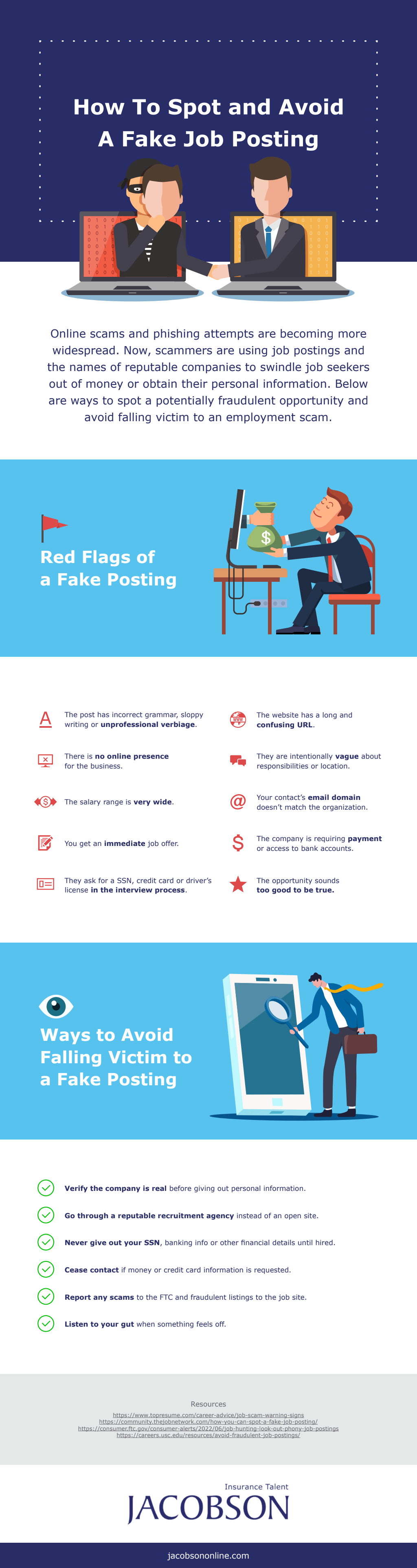
Some fraudulent postings are obvious, but others are crafted to look completely legitimate. One of the first things to watch for is a lack of clarity — vague descriptions, inconsistent qualifications, or responsibilities that don’t match the job title. Suspiciously broad salary ranges or offers made without an interview are also common red flags, often used to pressure applicants into responding quickly.
Writing quality can be revealing as well. Authentic employers usually use polished, professional language. Errors in grammar, unusual phrasing, or poorly formatted text may signal that the post isn’t from a trustworthy source. And always check email addresses. If a recruiter contacts you from a generic or mismatched domain, take a moment to investigate further.
Most importantly, no legitimate employer will ask for sensitive information — such as your Social Security number, banking details, or ID documents — early in the process. Requests like these are strong indicators of a scam.
Practical Ways to Protect Yourself
Before applying anywhere, take a few minutes to research the organization. Does it have a functioning website? Are there recent employee reviews? Is the company active online? This quick check can help distinguish established businesses from fabricated ones.
Whenever possible, apply through well-known job platforms or directly through a company’s official careers page. If you’re navigating a major transition or seeking remote or flexible work, partnering with a reputable recruiter can add an extra layer of security.
Your instincts matter. If an interaction feels rushed, inconsistent, or uncomfortable, you’re allowed to step away. Many women feel pressure to be polite or agreeable during the hiring process — but protecting yourself should always come first.
Staying Sharp in the Remote Job Market
Remote roles offer freedom and flexibility, making them especially appealing for women managing multiple responsibilities. However, they also attract more fraudulent listings. Slowing down your search, customizing your applications, and avoiding mass-apply habits can help you stay aligned with genuine opportunities.
Before a virtual interview, test your audio and video to minimize interruptions. Use the conversation not only to present yourself well but also to assess the company. Are their answers direct? Do they share clear next steps? Do their processes feel transparent and structured?
Confidence Through Awareness
Job searching can be an emotional experience, particularly when you’re balancing other life demands or entering a new field. Staying informed and thoughtful during your search empowers you to protect your identity, your time, and your future. With the right caution and clarity, you can focus your energy on opportunities that genuinely support your goals — without falling prey to deceptive postings.
Because the right job is worth the wait, and your safety should never be negotiable. For more on this, check out the infographic below from The Jacobson Group, professional insurance recruiters.